
Thinking about Finishing your Basement? Read this first
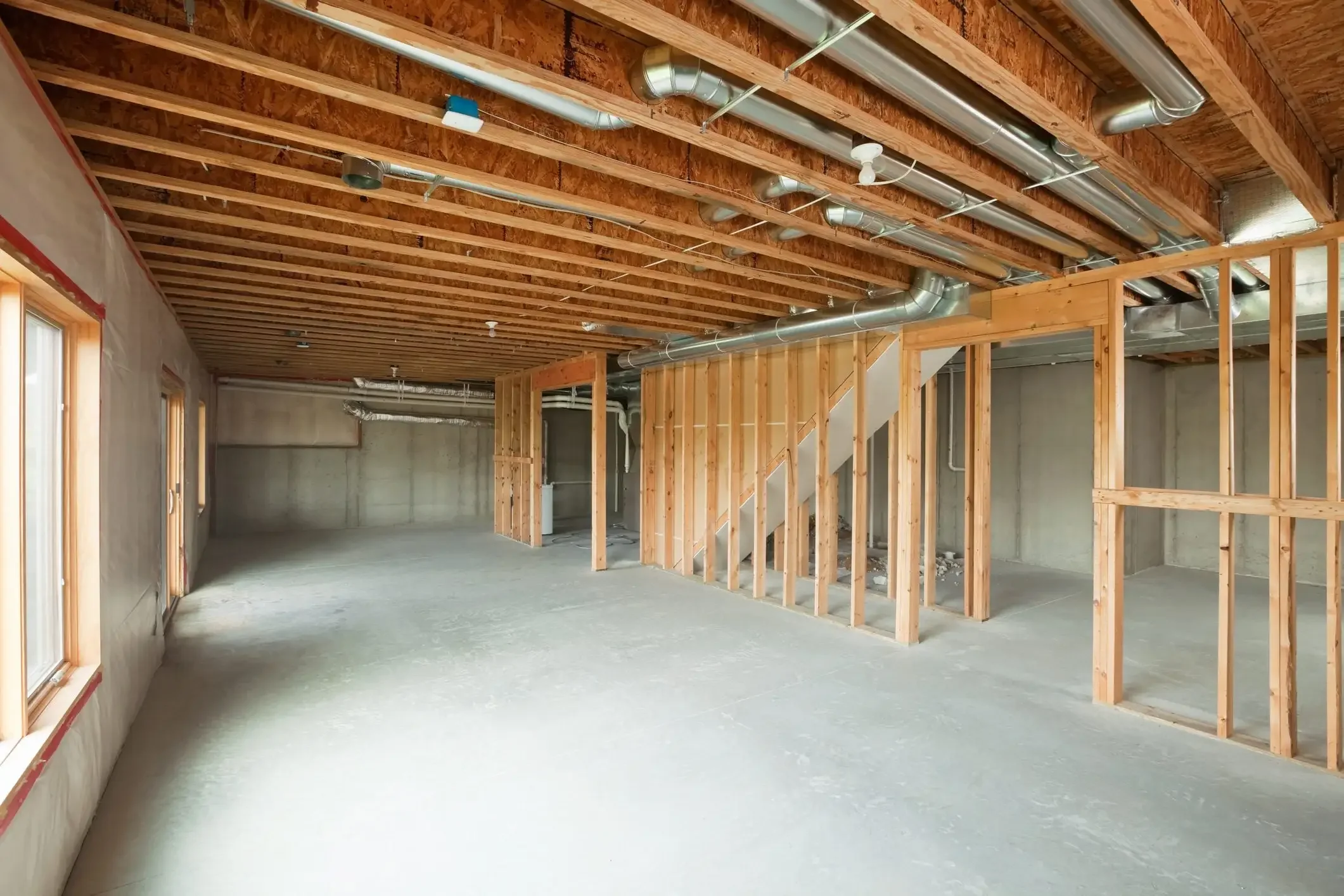
A finished basement is one of the most talked-about home improvement projects in Connecticut, and for good reason. It adds real square footage, real value, and a room your family will actually use. But most homeowners who want to do it have no idea where to start.
How much does it cost? How long does it take? Do you need permits? Is your basement even ready?
This guide covers everything you need to know before you call a contractor. If you are considering finishing your basement in New Haven, Hamden, Milford, or anywhere in New Haven County, start here.
Quick answer: What should you know before finishing a basement?
Before finishing a basement, check for moisture problems, confirm your ceiling height meets Connecticut building code, understand the permit requirements, test for radon, and have a clear sense of how you want to use the space. Skipping any of these steps can lead to expensive problems after the walls are already up.
Is finishing a basement worth it?
For most Connecticut homeowners, yes.
A finished basement is one of the most cost-effective ways to add livable square footage without expanding the footprint of the house. On average, homeowners see a return on investment of around 70 percent at resale, which puts basement finishing in the same range as kitchen and bathroom remodeling.
Beyond what it adds to a home sale, the day-to-day benefit is immediate. You gain a room your family can actually use, whether that is a home office, a guest suite, a gym, or a family room, without the cost or complexity of a full home addition. A professional basement finishing service handles the full scope, from moisture assessment through final inspection.
In New Haven County, where lot sizes can be tight and building out is expensive, finishing what is already under the house is often the smartest move.
What to check before you start finishing your basement
This is the step most homeowners skip, and it is the most important one. Before any contractor touches a single wall, these boxes need to be checked.
Moisture and waterproofing
Connecticut basements deal with two distinct patterns throughout the year. Summer humidity loads the slab and foundation walls. Winter stack effect pulls soil gases up through the floor and walls. Both matter when you are planning to finish the space.
Before starting, look for water stains along the base of the walls, white chalky deposits on the concrete (called efflorescence), musty odors, or visible cracks in the foundation. Any of these signals need to be addressed before framing begins.
Foam-based insulation installed directly against the concrete is the right approach for Connecticut conditions. Avoid paper-faced fiberglass against foundation walls. A dehumidifier target of 45 to 55 percent helps maintain the space after it is finished.
Radon testing
The EPA recommends testing all homes below the third floor for radon before finishing a basement. The action level is 4.0 pCi/L. Testing before the walls close is critical because mitigation becomes significantly harder and more expensive once the space is finished.
Radon levels in Connecticut basements tend to be higher in winter due to the stack effect. The Connecticut DPH Radon Program offers testing guidance for homeowners. Test before you build, not after.
Ceiling height
Connecticut follows the 2022 State Building Code, based on the 2021 IRC. Basement living areas require a minimum finished ceiling height of 7 feet. Bathrooms and laundry rooms allow 6 feet 8 inches.
Check every beam, duct run, and mechanical system before assuming the space qualifies for what you have in mind. Low ductwork or exposed pipes can affect the design significantly.
Egress
If your finished basement will include a bedroom, Connecticut code requires an egress window or door. This is a window sized and positioned to allow safe emergency escape. The requirements are outlined in IRC R310 and are non-negotiable.
Adding an egress window is a real cost and affects the project scope. It needs to be planned before framing starts, not discovered afterward.
Permits
Most basement finishing work in Connecticut requires permits. Electrical, plumbing, and structural work all fall under permit requirements. Skipping permits is a risk. Unpermitted work can complicate a future home sale and create liability if something goes wrong during or after construction.
A licensed contractor pulls and manages permits as part of the project, but you should know upfront that permitting is part of the timeline.
What does finishing a basement actually involve?
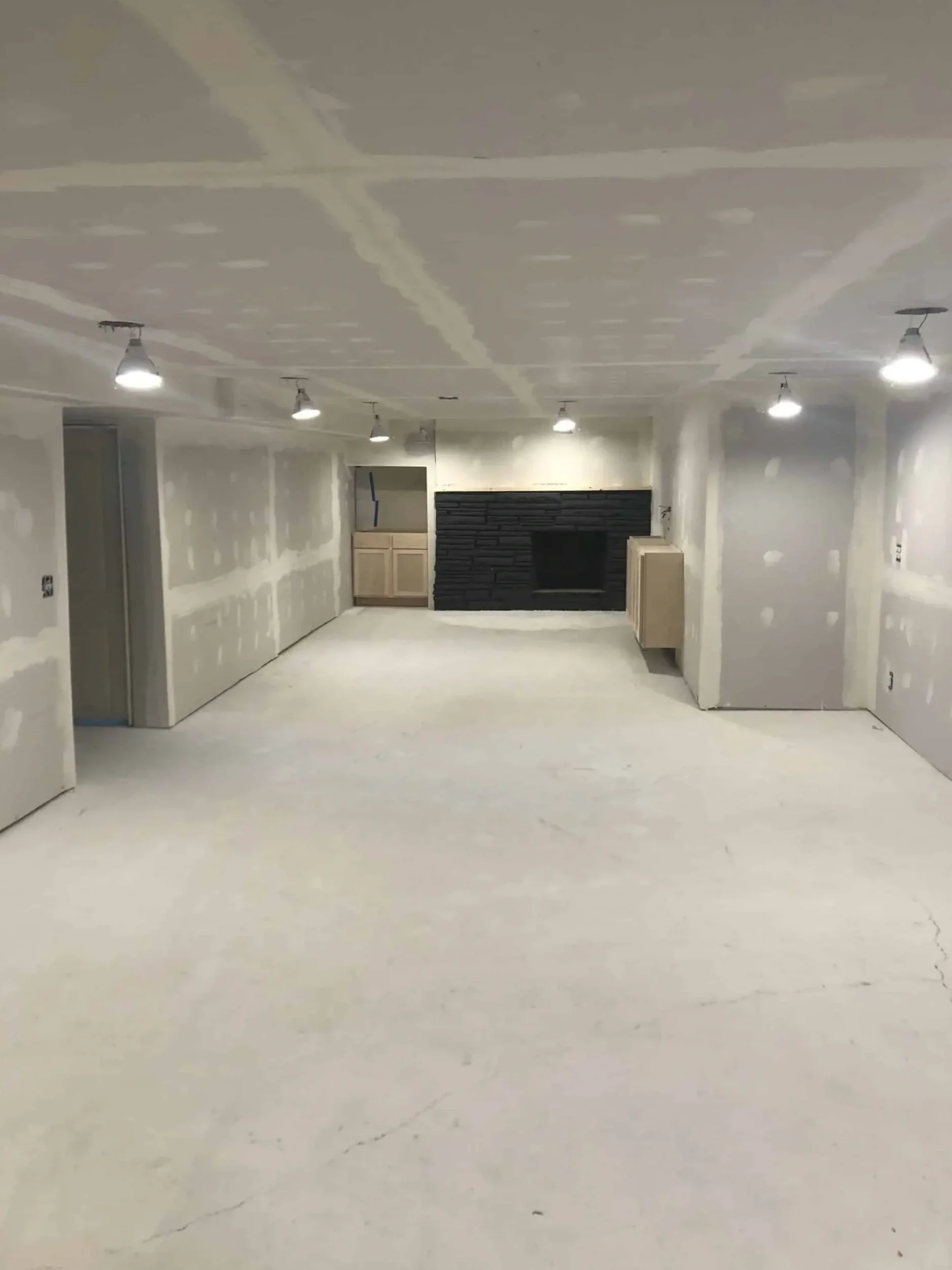
Finishing a basement means transforming an unfinished space into a livable area with framed walls, insulation, drywall, electrical, and flooring. Depending on the scope of the project, it can also include plumbing, HVAC work, egress window installation, and custom features like a bathroom or built-in storage.
The typical sequence for a professional project looks like this:
Moisture assessment and waterproofing
Radon testing
Permit applications
Framing
Rough-in electrical, plumbing, and HVAC
Insulation (foam-based directly against concrete)
Drywall
Paint
Flooring
Trim, fixtures, and final details
Inspections at required stages
For flooring, moisture-resistant options are the right call in Connecticut basements. Luxury vinyl plank, porcelain tile, sealed concrete, and epoxy all perform well. Carpet can work in certain areas but should not go directly on a concrete slab without proper moisture management underneath.
How long does it take to finish a basement?
Most professional basement finishing projects take between 4 and 8 weeks from start to finish. Larger basements, or projects that include a bathroom, custom features, or egress window installation, typically run 10 to 12 weeks.
Here is a general breakdown of what each phase involves:
Framing: 3 to 5 days
Rough-in electrical and plumbing: 1 to 2 weeks
Insulation and drywall: 1 to 2 weeks (drying time between coats adds days)
Paint and flooring: approximately 1 week
Trim, fixtures, and final details: a few days
Inspections: scheduled throughout, timing depends on the municipality
Permit processing time varies by town in Connecticut and can range from a few days to several weeks depending on the scope of work and your local building department.
Planning early matters. Starting the permitting process before construction begins and ordering materials in advance helps keep the project moving without unnecessary delays.
Why is summer actually a smart time to start finishing your basement?
Most homeowners assume fall is the natural time to think about a basement project. But summer has a real advantage that often gets overlooked.
In Connecticut, July and August are when most contractors are focused on exterior work: decks, landscaping, siding, and roofing. That means interior renovation schedules tend to have more availability than homeowners expect during the summer months.
From a practical standpoint, summer also works in your favor. Longer days mean more working hours. You and your family are spending more time outside, which makes an interior project far less disruptive to daily life. And starting now means your finished basement is ready before fall.
The humidity concern is real but manageable. Experienced contractors working in Connecticut know how to sequence the work so that moisture-sensitive materials like drywall and flooring go in after proper waterproofing and dehumidification are already in place.
The most common mistake homeowners make is waiting too long. If you start the conversation now, you avoid competing for fall contractor slots and your project finishes before the season changes.
What does it cost to finish a basement in Connecticut?
The cost of finishing a basement in Connecticut generally ranges from $15,000 to $75,000, depending on the size of the space, the scope of the work, and the materials selected.
Factors that affect the final cost include:
Total square footage of the basement
Whether a bathroom, half bath, or kitchenette is included
Egress window requirements
Moisture remediation or waterproofing work
Flooring, lighting, and cabinetry selections
Permit fees
At Diamond Image, we provide free estimates so you know exactly what your project involves before committing to anything. No pressure, no surprises.
Signs your basement is ready to be finished
Not every basement is immediately ready for finishing. But many are closer than homeowners think.
Your basement is likely a strong candidate if:
There are no active leaks or signs of recurring water intrusion
Ceiling height meets the 7-foot minimum for living areas
Foundation walls are stable with no major cracking or shifting
Radon levels test below the action level of 4.0 pCi/L
You have a clear plan for how the space will be used
If there are moisture concerns, those need to come first. But a moisture issue does not automatically disqualify a basement from being finished. It means the project begins with waterproofing, which is simply part of the scope of work.
Ready to find out what your project would involve?
Diamond Image serves homeowners across New Haven, Hamden, Milford, Branford, Wallingford, and throughout New Haven County, Connecticut. We handle basement finishing projects from the initial assessment through final inspection, and we work with you to make sure the space is done right.
Contact us today to request a free estimate and find out what finishing your basement would look like.
FAQs: Basement Finishing in Connecticut
Q1. What should I check before finishing my basement?
Check for moisture, water intrusion, and foundation cracks before anything else. You should also confirm ceiling height meets Connecticut code, test for radon, and understand egress requirements if a bedroom is part of the plan.
Q2. How long does it take to finish a basement?
Most basement finishing projects with a professional contractor take 4 to 8 weeks. Projects that include a bathroom, egress window, or custom features typically take 10 to 12 weeks. Permit processing time can also affect the overall schedule.
Q3. Does finishing a basement add value to your home?
Yes. Homeowners typically see a return on investment of around 70 percent at resale. The exact value depends on the quality of the finish, the features included, and the local real estate market.
Q4. Is finishing a basement worth it?
For most homeowners, yes. A finished basement adds livable square footage, improves daily functionality, and increases home value without the cost of a home addition or room expansion.
Q5. Do you need a permit to finish a basement in Connecticut?
Yes. Most basement finishing work in Connecticut requires permits, including electrical, plumbing, and structural work. A licensed contractor handles the permitting process as part of the project.
Q6. Can you finish a basement that has moisture issues?
You can, but the moisture problem needs to be resolved first. Waterproofing, drainage, and dehumidification must be in place before framing and materials go in. Finishing over a moisture problem always leads to bigger problems later.
Q7. Is summer a good time to finish a basement in Connecticut?
Yes. Summer is often a practical window for basement projects. Interior renovation availability tends to be better than most homeowners expect, and starting now means the space is finished before fall.
Q8. What type of flooring works best in a Connecticut basement?
Moisture-resistant flooring is the right call. Luxury vinyl plank, porcelain tile, sealed concrete, and epoxy all perform well in Connecticut basement conditions. Carpet can work in certain areas but requires proper moisture management underneath.
Reviewed by the Diamond Image field crew.