
Why June Is the Hardest Month for Connecticut Lawns?
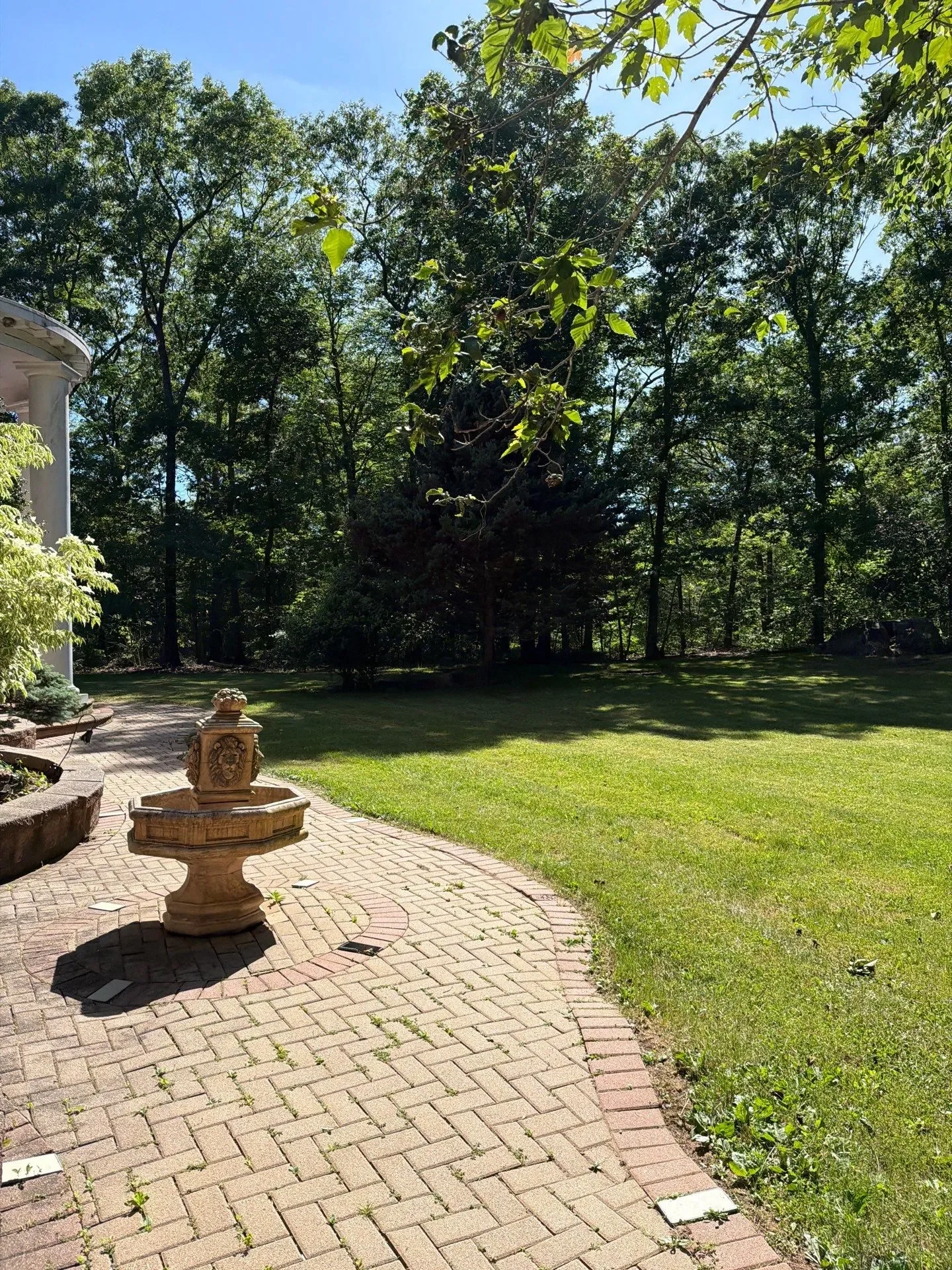
Is your lawn ready for summer? If it's June in Connecticut and you don't have a consistent mowing and watering routine in place yet, the honest answer is probably not.
Most people assume July or August are the toughest months for a lawn in Connecticut. The heat is stronger, the rain slows down, and everything starts to look tired.
But ask anyone who maintains lawns for a living and they will tell you something different. The month where lawns actually win or lose the season is June.
June is the transition month. Spring growth is peaking, summer stress is arriving, and the habits you set in these few weeks decide how your property looks through Labor Day.
This guide explains why summer is so demanding for lawns in New Haven County, what most properties get wrong, and what to set up now, whether you manage a home or a commercial property.
Quick answer: Why is June so hard on Connecticut lawns?
June is hard because two seasons collide at once.
Connecticut lawns are built on cool-season grasses like Kentucky bluegrass, fescues, and ryegrass. These grasses grow aggressively in the mild weeks of late spring, then start to struggle as soon as heat and dry spells arrive. In June, both things happen at the same time.
The grass is still growing fast enough to need consistent mowing, but the first stretches of heat are already pushing it toward summer stress. Weeds like crabgrass germinate. Grubs hatch. Rain becomes less reliable. A lawn that loses its routine in June usually spends the rest of the summer trying to recover.
What makes June different from spring?
In April and May, lawns in Connecticut are forgiving. Temperatures are mild, moisture is steady, and the grass bounces back from almost anything.
That safety net disappears in June.
Connecticut lawns rely on cool-season grasses. According to the UConn Home and Garden Education Center, the species that grow well here are Kentucky bluegrass, fescues, and perennial ryegrass. These grasses thrive in mild temperatures and start to struggle once daytime highs consistently push past 80.
In New Haven County, that shift usually happens somewhere in the middle of June. The lawn does not announce it. It just stops recovering as quickly as it did a few weeks earlier.
That is why mistakes made in June tend to stick. Scalping the lawn in May is a bad look for a week. Scalping it in late June can leave thin, browned-out patches until fall.
The most common June lawn care mistakes
After enough seasons working on properties across New Haven County, the same patterns show up every year:
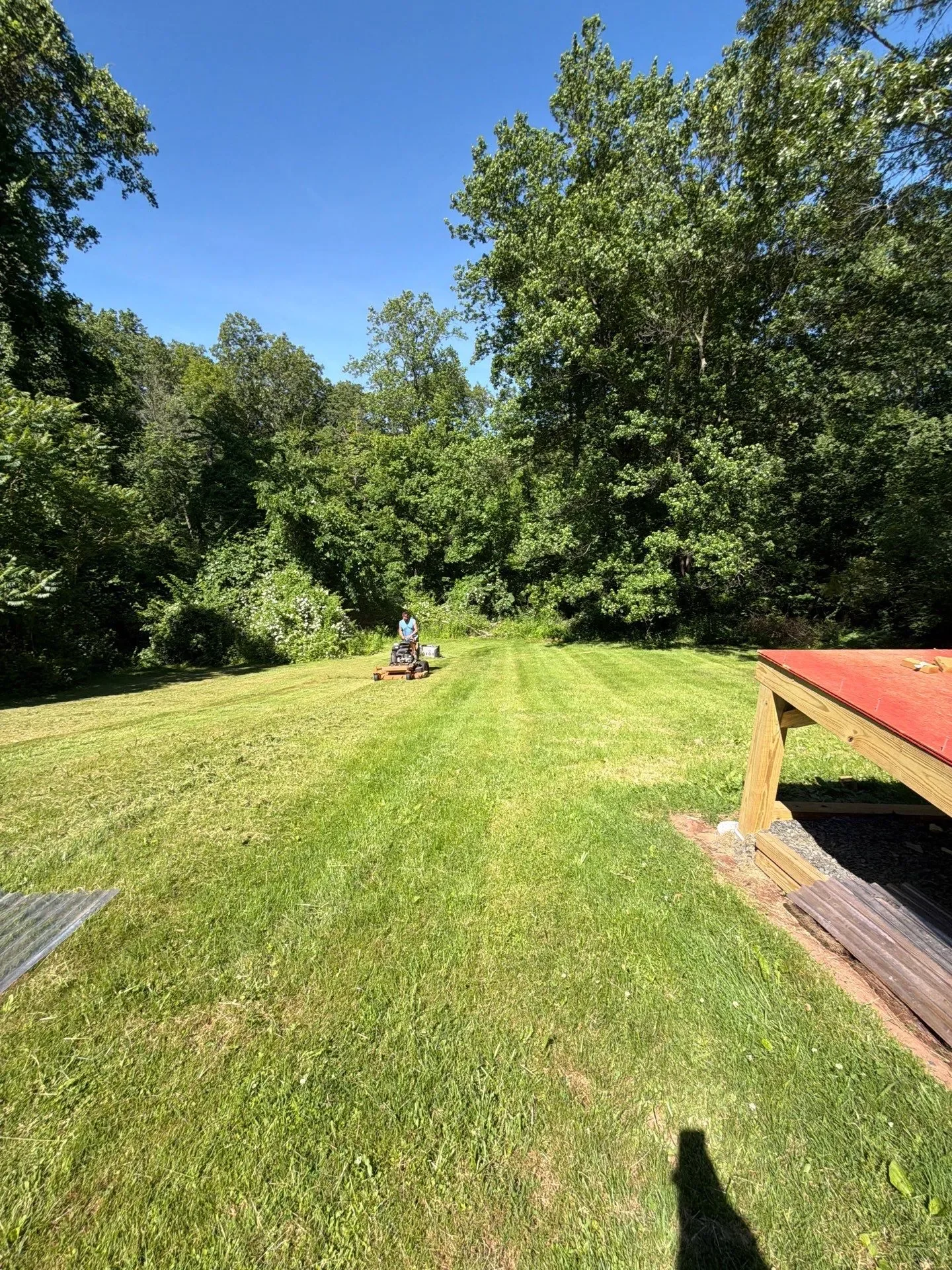
Cutting too short. When growth speeds up, the temptation is to mow lower so it lasts longer between cuts. That backfires. Taller grass shades its own roots and holds moisture better. For most Connecticut lawns, 3 to 3.5 inches is the sweet spot heading into summer.
Letting the schedule slip. Skipping one week in June often means cutting off too much at once when the mower finally comes back. Removing more than a third of the blade in one cut stresses the plant exactly when it can least afford it.
Watering lightly and often. Shallow watering trains roots to stay near the surface, which is the worst place to be in July. Lawns do better with deep, infrequent watering, roughly an inch per week including rainfall.
Ignoring weeds until they are visible. Crabgrass that shows up in July germinated weeks earlier. June is when the fight is actually decided.
Treating commercial properties like an afterthought. Storefronts, offices, and multi-unit properties often wait until the lawn looks rough to act. By then, the cost of recovery is higher than the cost of upkeep would have been.
What does lawn care cost in Connecticut?
Lawn care pricing in Connecticut depends on the property, not on a flat rate. The factors that move the number are:
lot size and how much of it is actual lawn
whether the visit is weekly or biweekly
obstacles like slopes, fencing, beds, and tight access areas
whether trimming, edging, and blowing are included or just mowing
residential versus commercial scope, since commercial sites usually involve larger areas and stricter scheduling
A small residential lot on a weekly schedule costs much less per visit than a commercial property with multiple zones. At Diamond Image, recurring lawn maintenance starts at $50 per visit, with final pricing based on the actual property. For most people in New Haven County, a quick quote based on the address is the fastest way to get a real number.
Is summer lawn care service different for commercial properties?
The grass is the same. The stakes are different.
For homeowners, a stressed lawn in June is mostly a cosmetic problem. For a business or a managed property, it is a first impression that every customer, tenant, and visitor walks past.
Commercial properties in New Haven County also deal with factors most homes do not: more foot traffic compacting the soil, larger areas that show neglect faster, and the need for consistent scheduling so the property always looks ready.
That is why June matters even more on the commercial side. Locking in a consistent maintenance routine before summer peaks means the property holds its appearance through the busiest months of the year, without the scramble of trying to fix visible decline in July.
Diamond Image works with both residential and commercial properties across New Haven County, so the maintenance plan matches what the property actually needs rather than a one-size-fits-all schedule.
What should your lawn care routine look like in June?
A solid June routine for Connecticut lawns, residential or commercial, looks like this:
Mowing weekly, or biweekly at minimum, at 3 to 3.5 inches
Never removing more than a third of the grass blade per cut
Keeping mower blades sharp so cuts heal cleanly
Watering deeply about once a week when rain falls short
Edging and trimming to keep walkways and beds defined
Watching for early signs of grubs, crabgrass, and brown patch
None of these steps are complicated. The challenge is consistency, which is exactly what slips when schedules get busy in early summer.
Can a lawn recover if early summer lawn care goes badly?
Usually yes, but not quickly, and not during the summer.
Cool-season grass that thins out or browns in late June rarely fills back in until temperatures cool down in September. That means a rough June can translate into two to three months of a lawn that looks worse than it should.
This is the practical reason June matters so much. It is not that the damage is permanent. It is that the recovery window does not open again until fall.
The cheaper and easier path is keeping the lawn on track now instead of repairing it later.
When should you set up a lawn maintenance plan in Connecticut?
The honest answer is before July arrives.
Lawn care companies across Connecticut fill their summer routes during late spring and early summer. Waiting until the lawn already shows stress means competing for schedule space during the busiest stretch of the season.
Setting up recurring lawn maintenance in June gives the property a consistent routine before the hardest weeks of summer, and it gives whoever maintains it the chance to catch problems while they are still small.
Final Thoughts
June does not look like the hardest month for a lawn. The grass is green, growth is strong, and everything seems fine.
That is exactly what makes it risky. The decisions that protect a Connecticut lawn through summer all happen in these weeks, while the lawn still looks like it does not need help.
Whether you own a home or manage a commercial property in New Haven County, the best time to get your lawn on a consistent routine is right now, before summer makes every mistake more expensive.
Need Lawn Care in New Haven County, CT?
If your property needs consistent mowing, trimming, and seasonal upkeep heading into summer, this is the right moment to set it up.
Diamond Image provides lawn care for residential and commercial properties across New Haven County, Connecticut. Contact us today to request a quote and keep your property looking sharp all season.
FAQs: Spring Cleanup Service in New Haven County, CT
Q1. Why is June a difficult month for lawns in Connecticut?
June combines fast spring growth with the first real summer heat. Cool-season grasses common in Connecticut start to struggle above 80 degrees, so mistakes made in June often last through the summer.
Q2. How short should I mow my lawn in June in Connecticut?
Keep cool-season grasses at 3 to 3.5 inches in June. Taller grass shades its roots, retains moisture, and handles summer heat better than a short cut.
Q3. How often should a lawn be watered in summer in Connecticut?
About one inch of water per week, including rainfall, applied deeply rather than in light frequent sessions. Deep watering encourages stronger roots.
Q4. Is lawn care different for commercial properties?
The grass care is similar, but commercial properties deal with more foot traffic, larger visible areas, and higher appearance standards, so consistent scheduling matters more.
Q5. Can a lawn damaged in summer recover on its own?
Cool-season grass usually does not recover until temperatures drop in September, which is why preventing summer damage is easier than repairing it.
Q6. When should I set up recurring lawn maintenance in Connecticut?
Before July. Summer routes fill up in late spring, and starting a routine in June protects the lawn through the hardest part of the season.
Q7. How much does lawn care cost in Connecticut?
Lawn care cost in Connecticut depends on lot size, visit frequency, and whether trimming and edging are included. Recurring maintenance at Diamond Image starts at $50 per visit, with final pricing based on the property.
Reviewed by the Diamond Image field crew.